Close Menu
  • Home
  • News
  • Cyber Security
  • Internet of Things
  • Tips and Advice

Subscribe to Updates

Get the latest creative news from FooBar about art, design and business.

What's Hot

Badges, Bytes and Blackmail

February 7, 2026

Ex-Google Engineer Convicted for Stealing AI Secrets for China Startup

February 7, 2026

Substack Confirms Data Breach, “Limited User Data” Compromised

February 6, 2026
Facebook X (Twitter) Instagram
Saturday, February 7
Facebook X (Twitter) Instagram Pinterest Vimeo
Cyberwire Daily
  • Home
  • News
  • Cyber Security
  • Internet of Things
  • Tips and Advice
Cyberwire Daily
Home»News»Hackers Target ICTBroadcast Servers via Cookie Exploit to Gain Remote Shell Access
News

Hackers Target ICTBroadcast Servers via Cookie Exploit to Gain Remote Shell Access

Team-CWDBy Team-CWDOctober 23, 2025No Comments2 Mins Read
Share Facebook Twitter Pinterest LinkedIn Tumblr Reddit Telegram Email
Share
Facebook Twitter LinkedIn Pinterest Email


Cybersecurity researchers have disclosed that a critical security flaw impacting ICTBroadcast, an autodialer software from ICT Innovations, has come under active exploitation in the wild.

The vulnerability, assigned the CVE identifier CVE-2025-2611 (CVSS score: 9.3), relates to improper input validation that can result in unauthenticated remote code execution due to the fact that the call center application unsafely passes session cookie data to shell processing.

This, in turn, allows an attacker to inject shell commands into a session cookie that can get executed in the vulnerable server. The security flaw affects ICTBroadcast versions 7.4 and below.

“Attackers are leveraging the unauthenticated command injection in ICTBroadcast via the BROADCAST cookie to gain remote code execution,” VulnCheck’s Jacob Baines said in a Tuesday alert. “Approximately 200 online instances are exposed.”

The cybersecurity firm said that it detected in-the-wild exploitation on October 11, with the attacks occurring in two phases, starting with a time-based exploit check followed by attempts to set up reverse shells.

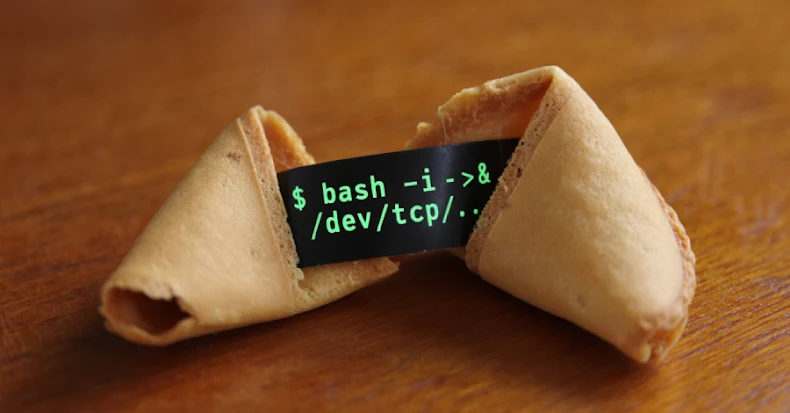
To that end, unknown threat actors have been observed injecting a Base64-encoded command that translates to “sleep 3” in the BROADCAST cookie in specially crafted HTTP requests to confirm command execution and then create reverse shells.

“The attacker used a localto[.]net URL in the mkfifo + nc payload, and also made connections to 143.47.53[.]106 in other payloads,” Baines noted.

CIS Build Kits

It’s worth noting that both the use of a localto.net link and the IP address were previously flagged by Fortinet in connection with an email campaign distributing a Java-based remote access trojan (RAT) named Ratty RAT targeting organizations in Spain, Italy, and Portugal.

These indicator overlaps suggest possible reuse or shared tooling, VulnCheck pointed out. There is currently no information available on the patch status of the flaw. The Hacker News has reached out to ICT Innovations for further comment, and we will update the story if we hear back.


Source

computer security cyber attacks cyber news cyber security news cyber security news today cyber security updates cyber updates data breach hacker news hacking news how to hack information security network security ransomware malware software vulnerability the hacker news
Share. Facebook Twitter Pinterest LinkedIn Tumblr Email
Previous ArticleMajor Vulnerabilities Found in TP-Link VPN Routers
Next Article AI Agents Need Security Training – Just Like Your Employees
Team-CWD
  • Website

Related Posts

News

Badges, Bytes and Blackmail

February 7, 2026
News

Ex-Google Engineer Convicted for Stealing AI Secrets for China Startup

February 7, 2026
News

Substack Confirms Data Breach, “Limited User Data” Compromised

February 6, 2026
Add A Comment
Leave A Reply Cancel Reply

Latest News

North Korean Hackers Turn JSON Services into Covert Malware Delivery Channels

November 24, 202522 Views

macOS Stealer Campaign Uses “Cracked” App Lures to Bypass Apple Securi

September 7, 202517 Views

North Korean Hackers Exploit Threat Intel Platforms For Phishing

September 7, 20256 Views

U.S. Treasury Sanctions DPRK IT-Worker Scheme, Exposing $600K Crypto Transfers and $1M+ Profits

September 5, 20256 Views

Ukrainian Ransomware Fugitive Added to Europe’s Most Wanted

September 11, 20255 Views
Stay In Touch
  • Facebook
  • YouTube
  • TikTok
  • WhatsApp
  • Twitter
  • Instagram
Most Popular

North Korean Hackers Turn JSON Services into Covert Malware Delivery Channels

November 24, 202522 Views

macOS Stealer Campaign Uses “Cracked” App Lures to Bypass Apple Securi

September 7, 202517 Views

North Korean Hackers Exploit Threat Intel Platforms For Phishing

September 7, 20256 Views
Our Picks

What are brushing scams and how do I stay safe?

December 24, 2025

Here’s what you should know

February 6, 2026

Why you should never pay to get paid

September 15, 2025

Subscribe to Updates

Get the latest news from cyberwiredaily.com

Facebook X (Twitter) Instagram Pinterest
  • Home
  • Contact
  • Privacy Policy
  • Terms of Use
  • California Consumer Privacy Act (CCPA)
© 2026 All rights reserved.

Type above and press Enter to search. Press Esc to cancel.