

As the internet becomes an essential part of daily life, its environmental footprint continues to grow.
Data centers, constant connectivity, and resource-heavy browsing habits all contribute to energy consumption and digital waste. While individual users may not see this impact directly, the collective effect of everyday browsing is significant.
Choosing a browser designed with sustainability in mind is one practical way to reduce that impact, without changing how you work online.
This article explains what eco-friendly browsing means, why it matters, and how a green browser like Wave Browser pairs a modern, secure browsing experience with a mission to help protect our ocean through verified cleanup efforts.
Why Eco-Friendly Browsing Matters
Most people think of environmental impact in terms of transportation, food, or physical products. Digital activity is often overlooked. However:
- Browsers run continuously throughout the day
- Heavy tabs and background processes increase energy usage
- Ads and trackers load unnecessary data
- Inefficient browsing tools consume system resources
Over time, these factors contribute to higher energy demand across devices and infrastructure.
Eco-friendly browsing focuses on reducing unnecessary digital load while keeping the browsing experience efficient, functional, and user-friendly.
What Makes a Browser “Green”?
A green or eco-conscious browser isn’t defined by a single feature. Instead, it combines responsible design choices with transparency and measurable impact.
Key characteristics include:
- Efficient use of system resources
- Built-in tools that reduce excess data loading
- Fewer unnecessary background processes
- A clear commitment to environmental responsibility
Rather than asking users to change their habits, a green browser should fit naturally into everyday browsing.
How Wave Browser Supports Eco-Friendly Browsing
Wave Browser is designed for users who want a modern browsing experience while supporting environmental action. Its approach to eco browsing combines efficient technology with real-world impact with AppEsteem-certified software standards.
Reducing Unnecessary Resource Usage
Wave Browser includes built-in tools that help limit excess digital clutter. Features like free ad blocking (available on Windows, Mac and Android), memory-saving tools, and integrated utilities reduce the need for multiple extensions and background processes.
By cutting down on unnecessary data requests and system strain, Wave helps devices run more efficiently, using less energy over time.
Using Built-In Tools Instead of Extra Extensions
Many users install multiple browser extensions to manage everyday tasks. Each extension can introduce additional scripts, permissions, and background activity.
Wave Browser integrates common tools directly into the browser, such as:
- A sidebar for quick access to tools and favorite sites
- Built-in productivity features like split view and reading lists
- Tools for saving and organizing online content directly within the browser
Keeping these tools built into the browser reduces the need for third-party add-ons developed outside the browser’s control, helping maintain a simpler and more predictable browsing environment.
Browsing With Awareness, Not Disruption
Eco-friendly browsing shouldn’t feel restrictive. Wave is designed to feel familiar from the first launch, with clear browser settings and an intuitive interface.
Users can:
- Adjust privacy and browsing preferences
- Choose their default search engine
- Manage permissions for unfamiliar sites
- Use Incognito Mode when needed
This balance allows users to browse comfortably while avoiding unnecessary digital noise.
Connecting Everyday Browsing to Real-World Impact
Wave Browser goes beyond digital efficiency by linking browsing activity to verified environmental action.
Through a Certified Cleanup Partnership with 4ocean, Wave helps fund the removal of plastic and trash from our ocean, rivers, and coastlines. Users support this effort simply by downloading and using the browser as part of their normal routine without special actions required.
Cleanup efforts support:
- Professional cleanup crews
- Vessels and equipment
- Cleanup materials and operations
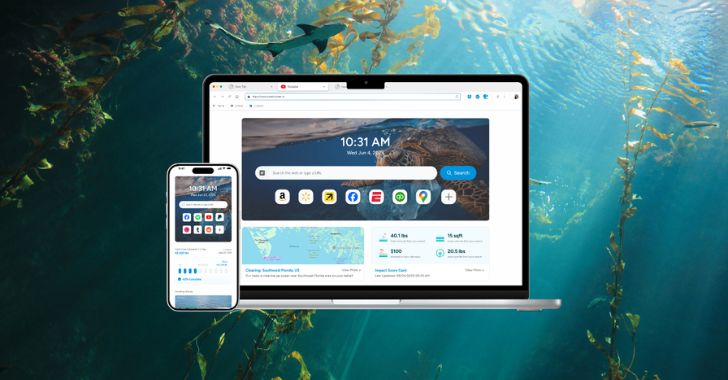
Progress is tracked transparently through the browser homepage and through monthly impact reports shared by Wave, connecting everyday browsing to verified ocean cleanup efforts and a long-term goal of removing 300,000 pounds of trash from our ocean, rivers, and coastlines by 2028.
Eco Browsing Without Changing How You Work

One of the biggest barriers to sustainable technology is friction. If a product requires major behavior changes, adoption drops quickly.
Wave Browser is designed to avoid that problem. It works like a modern browser should—efficient, intuitive, and flexible—while supporting more responsible browsing behind the scenes.
Users don’t need to browse differently. They simply browse with more intention built into the tool they already use every day.
Making More Sustainable Choices Online
Eco-friendly browsing isn’t about perfection. It’s about small, practical decisions that scale when adopted by many users.
By choosing a browser that:
- Uses resources efficiently
- Reduces unnecessary digital load
- Supports verified environmental action
Users can make a meaningful difference without sacrificing usability or performance.
Wave Browser shows how everyday technology can support both productivity and environmental responsibility, one browsing session at a time.

