Close Menu
  • Home
  • News
  • Cyber Security
  • Internet of Things
  • Tips and Advice

Subscribe to Updates

Get the latest creative news from FooBar about art, design and business.

What's Hot

CERT Polska Details Coordinated Cyber Attacks on 30+ Wind and Solar Farms

February 7, 2026

Researchers Uncover Chrome Extensions Abusing Affiliate Links and Stealing ChatGPT Access

February 7, 2026

China-Linked UAT-8099 Targets IIS Servers in Asia with BadIIS SEO Malware

February 7, 2026
Facebook X (Twitter) Instagram
Sunday, February 8
Facebook X (Twitter) Instagram Pinterest Vimeo
Cyberwire Daily
  • Home
  • News
  • Cyber Security
  • Internet of Things
  • Tips and Advice
Cyberwire Daily
Home»News»Iranian Hackers Exploit 100+ Embassy Email Accounts in Global Phishing Targeting Diplomats
News

Iranian Hackers Exploit 100+ Embassy Email Accounts in Global Phishing Targeting Diplomats

Team-CWDBy Team-CWDSeptember 11, 2025No Comments2 Mins Read
Share Facebook Twitter Pinterest LinkedIn Tumblr Reddit Telegram Email
Share
Facebook Twitter LinkedIn Pinterest Email


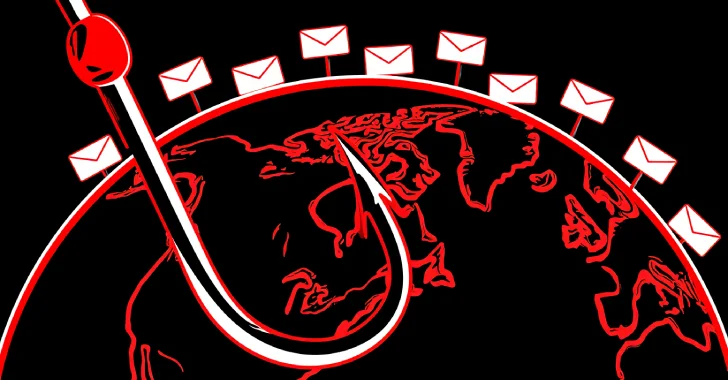
An Iran-nexus group has been linked to a “coordinated” and “multi-wave” spear-phishing campaign targeting the embassies and consulates in Europe and other regions across the world.

The activity has been attributed by Israeli cybersecurity company Dream to Iranian-aligned operators connected to broader offensive cyber activity undertaken by a group known as Homeland Justice.

“Emails were sent to multiple government recipients worldwide, disguising legitimate diplomatic communication,” the company said. “Evidence points toward a broader regional espionage effort aimed at diplomatic and governmental entities during a time of heightened geopolitical tension.”

The attack chains involve the use of spear-phishing emails with themes related to geopolitical tensions between Iran and Israel to send a malicious Microsoft Word that, when opened, urges recipients to “Enable Content” in order to execute an embedded Visual Basic for Applications (VBA) macro, which is responsible for deploying the malware payload.

The email messages, per Dream, were sent to embassies, consulates, and international organizations across the Middle East, Africa, Europe, Asia, and the Americas, suggesting that the activity cast a wide phishing net. European embassies and African organizations are said to have been the most heavily targeted.

The digital missives were sent from 104 unique compromised addresses belonging to officials and pseudo-government entities to give them an extra layer of credibility. At least some of the emails originated from a hacked mailbox belonging to the Oman Ministry of Foreign Affairs in Paris (*@fm.gov.om).

“The lure content consistently referenced urgent MFA communications, conveyed authority, and exploited the common practice of enabling macros to access content, which are the hallmarks of a well-planned espionage operation that deliberately masked attribution,” Dream said.

The end goal of the attacks is to deploy using the VBA macro an executable that can establish persistence, contact a command-and-control (C2) server, and harvest system information.

CIS Build Kits

Cybersecurity company ClearSky, which also detailed some aspects of the campaign late last month, said the phishing emails were sent to multiple ministries of foreign affairs.

“Similar obfuscation techniques were used by Iranian threat actors in 2023 when they targeted Mojahedin-e-Khalq in Albania,” it said in a post on X. “We assess with moderate confidence that this activity is linked to the same Iranian threat actors.”


Source

computer security cyber attacks cyber news cyber security news cyber security news today cyber security updates cyber updates data breach hacker news hacking news how to hack information security network security ransomware malware software vulnerability the hacker news
Share. Facebook Twitter Pinterest LinkedIn Tumblr Email
Previous ArticleCISA Launches Roadmap for the CVE Program
Next Article Wyden Urges FTC Investigation Over Ascension Ransomware Hack
Team-CWD
  • Website

Related Posts

News

CERT Polska Details Coordinated Cyber Attacks on 30+ Wind and Solar Farms

February 7, 2026
News

Researchers Uncover Chrome Extensions Abusing Affiliate Links and Stealing ChatGPT Access

February 7, 2026
News

China-Linked UAT-8099 Targets IIS Servers in Asia with BadIIS SEO Malware

February 7, 2026
Add A Comment
Leave A Reply Cancel Reply

Latest News

North Korean Hackers Turn JSON Services into Covert Malware Delivery Channels

November 24, 202522 Views

macOS Stealer Campaign Uses “Cracked” App Lures to Bypass Apple Securi

September 7, 202517 Views

North Korean Hackers Exploit Threat Intel Platforms For Phishing

September 7, 20256 Views

U.S. Treasury Sanctions DPRK IT-Worker Scheme, Exposing $600K Crypto Transfers and $1M+ Profits

September 5, 20256 Views

Ukrainian Ransomware Fugitive Added to Europe’s Most Wanted

September 11, 20255 Views
Stay In Touch
  • Facebook
  • YouTube
  • TikTok
  • WhatsApp
  • Twitter
  • Instagram
Most Popular

North Korean Hackers Turn JSON Services into Covert Malware Delivery Channels

November 24, 202522 Views

macOS Stealer Campaign Uses “Cracked” App Lures to Bypass Apple Securi

September 7, 202517 Views

North Korean Hackers Exploit Threat Intel Platforms For Phishing

September 7, 20256 Views
Our Picks

2025’s most common passwords were as predictable as ever

January 21, 2026

Why LinkedIn is a hunting ground for threat actors – and how to protect yourself

January 16, 2026

What are brushing scams and how do I stay safe?

December 24, 2025

Subscribe to Updates

Get the latest news from cyberwiredaily.com

Facebook X (Twitter) Instagram Pinterest
  • Home
  • Contact
  • Privacy Policy
  • Terms of Use
  • California Consumer Privacy Act (CCPA)
© 2026 All rights reserved.

Type above and press Enter to search. Press Esc to cancel.