Close Menu
  • Home
  • News
  • Cyber Security
  • Internet of Things
  • Tips and Advice

Subscribe to Updates

Get the latest creative news from FooBar about art, design and business.

What's Hot

Badges, Bytes and Blackmail

February 7, 2026

Ex-Google Engineer Convicted for Stealing AI Secrets for China Startup

February 7, 2026

Substack Confirms Data Breach, “Limited User Data” Compromised

February 6, 2026
Facebook X (Twitter) Instagram
Saturday, February 7
Facebook X (Twitter) Instagram Pinterest Vimeo
Cyberwire Daily
  • Home
  • News
  • Cyber Security
  • Internet of Things
  • Tips and Advice
Cyberwire Daily
Home»News»One Click Can Turn Perplexity’s Comet AI Browser Into a Data Thief
News

One Click Can Turn Perplexity’s Comet AI Browser Into a Data Thief

Team-CWDBy Team-CWDOctober 13, 2025No Comments3 Mins Read
Share Facebook Twitter Pinterest LinkedIn Tumblr Reddit Telegram Email
Share
Facebook Twitter LinkedIn Pinterest Email


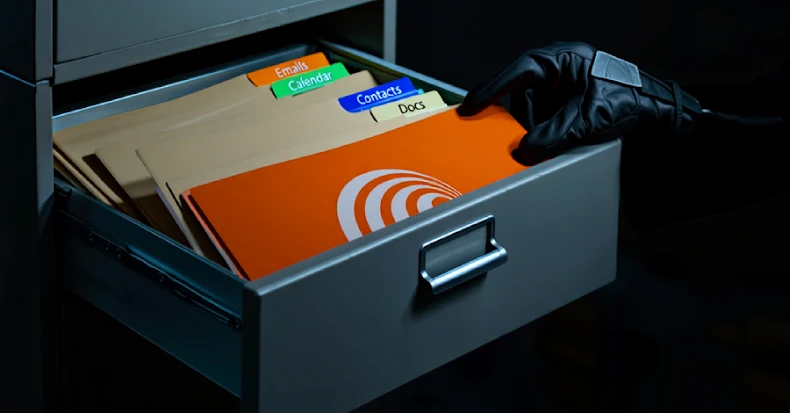
Cybersecurity researchers have disclosed details of a new attack called CometJacking targeting Perplexity’s agentic AI browser Comet by embedding malicious prompts within a seemingly innocuous link to siphon sensitive data, including from connected services, like email and calendar.

The sneaky prompt injection attack plays out in the form of a malicious link that, when clicked, triggers the unexpected behavior unbeknownst to the victims.

“CometJacking shows how a single, weaponized URL can quietly flip an AI browser from a trusted co-pilot to an insider threat,” Michelle Levy, Head of Security Research at LayerX, said in a statement shared with The Hacker News.

“This isn’t just about stealing data; it’s about hijacking the agent that already has the keys. Our research proves that trivial obfuscation can bypass data exfiltration checks and pull email, calendar, and connector data off-box in one click. AI-native browsers need security-by-design for agent prompts and memory access, not just page content.”

The attack, in a nutshell, hijacks the AI assistant embedded in the browser to steal data, all while bypassing Perplexity’s data protections using trivial Base64-encoding tricks. The attack does not include any credential theft component because the browser already has authorized access to Gmail, Calendar, and other connected services.

It takes place over five steps, activating when a victim clicks on a specially crafted URL, either sent in a phishing email or present in a web page. Instead of taking the user to the “intended” destination, the URL instructs the Comet browser’s AI to execute a hidden prompt that captures the user’s data from, say, Gmail, obfuscates it using Base64-encoding, and transmits the information to an endpoint under the attacker’s control.

The crafted URL is a query string directed at the Comet AI browser, with the malicious instruction added using the “collection” parameter of the URL, causing the agent to consult its memory rather than perform a live web search.

While Perplexity has classified the findings as having “no security impact,” they once again highlight how AI-native tools introduce new security risks that can get around traditional defenses, allow bad actors to commandeer them to do their bidding, and expose users and organizations to potential data theft in the process.

CIS Build Kits

In August 2020, Guardio Labs disclosed an attack technique dubbed Scamlexity wherein browsers like Comet could be tricked by threat actors into interacting with phishing landing pages or counterfeit e-commerce storefronts without the human user’s knowledge or intervention.

“AI browsers are the next enterprise battleground,” Or Eshed, CEO of LayerX, said. “When an attacker can direct your assistant with a link, the browser becomes a command-and-control point inside the company perimeter. Organizations must urgently evaluate controls that detect and neutralize malicious agent prompts before these PoCs become widespread campaigns.”


Source

computer security cyber attacks cyber news cyber security news cyber security news today cyber security updates cyber updates data breach hacker news hacking news how to hack information security network security ransomware malware software vulnerability the hacker news
Share. Facebook Twitter Pinterest LinkedIn Tumblr Email
Previous ArticleNew Stealit Malware Campaign Spreads via VPN and Game Installer Apps
Next Article Hackers Target ScreenConnect Features For Network Intrusions
Team-CWD
  • Website

Related Posts

News

Badges, Bytes and Blackmail

February 7, 2026
News

Ex-Google Engineer Convicted for Stealing AI Secrets for China Startup

February 7, 2026
News

Substack Confirms Data Breach, “Limited User Data” Compromised

February 6, 2026
Add A Comment
Leave A Reply Cancel Reply

Latest News

North Korean Hackers Turn JSON Services into Covert Malware Delivery Channels

November 24, 202522 Views

macOS Stealer Campaign Uses “Cracked” App Lures to Bypass Apple Securi

September 7, 202517 Views

North Korean Hackers Exploit Threat Intel Platforms For Phishing

September 7, 20256 Views

U.S. Treasury Sanctions DPRK IT-Worker Scheme, Exposing $600K Crypto Transfers and $1M+ Profits

September 5, 20256 Views

Ukrainian Ransomware Fugitive Added to Europe’s Most Wanted

September 11, 20255 Views
Stay In Touch
  • Facebook
  • YouTube
  • TikTok
  • WhatsApp
  • Twitter
  • Instagram
Most Popular

North Korean Hackers Turn JSON Services into Covert Malware Delivery Channels

November 24, 202522 Views

macOS Stealer Campaign Uses “Cracked” App Lures to Bypass Apple Securi

September 7, 202517 Views

North Korean Hackers Exploit Threat Intel Platforms For Phishing

September 7, 20256 Views
Our Picks

Can password managers get hacked? Here’s what to know

November 14, 2025

The WhatsApp screen-sharing scam you didn’t see coming

November 6, 2025

How the always-on generation can level up their cybersecurity game

September 11, 2025

Subscribe to Updates

Get the latest news from cyberwiredaily.com

Facebook X (Twitter) Instagram Pinterest
  • Home
  • Contact
  • Privacy Policy
  • Terms of Use
  • California Consumer Privacy Act (CCPA)
© 2026 All rights reserved.

Type above and press Enter to search. Press Esc to cancel.