Close Menu
  • Home
  • News
  • Cyber Security
  • Internet of Things
  • Tips and Advice

Subscribe to Updates

Get the latest creative news from FooBar about art, design and business.

What's Hot

FBI Warns of North Korean QR Phishing Campaigns

January 9, 2026

Russia-Aligned Hackers Abuse Viber to Target Ukrainian Military and Government

January 9, 2026

Fifth of Breaches Take Two Weeks to Recover From

January 9, 2026
Facebook X (Twitter) Instagram
Friday, January 9
Facebook X (Twitter) Instagram Pinterest Vimeo
Cyberwire Daily
  • Home
  • News
  • Cyber Security
  • Internet of Things
  • Tips and Advice
Cyberwire Daily
Home»News»Russia-Aligned Hackers Abuse Viber to Target Ukrainian Military and Government
News

Russia-Aligned Hackers Abuse Viber to Target Ukrainian Military and Government

Team-CWDBy Team-CWDJanuary 9, 2026No Comments2 Mins Read
Share Facebook Twitter Pinterest LinkedIn Tumblr Reddit Telegram Email
Share
Facebook Twitter LinkedIn Pinterest Email


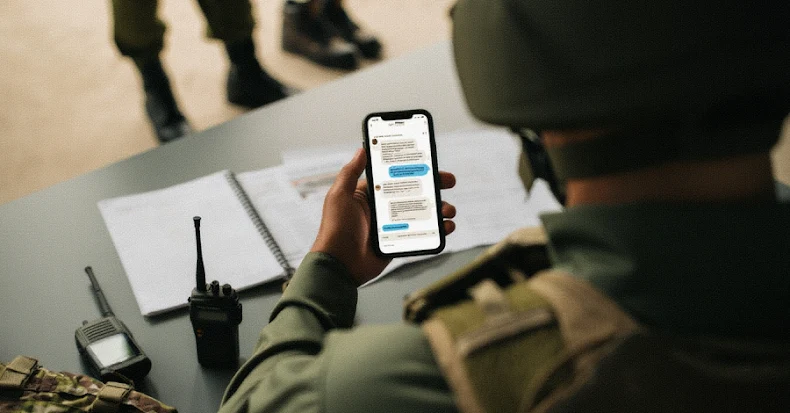
The Russia-aligned threat actor known as UAC-0184 has been observed targeting Ukrainian military and government entities by leveraging the Viber messaging platform to deliver malicious ZIP archives.

“This organization has continued to conduct high-intensity intelligence gathering activities against Ukrainian military and government departments in 2025,” the 360 Threat Intelligence Center said in a technical report.

Also tracked as Hive0156, the hacking group is primarily known for leveraging war-themed lures in phishing emails to deliver Hijack Loader in attacks targeting Ukrainian entities. The malware loader subsequently acts as a pathway for Remcos RAT infections.

The threat actor was first documented by CERT-UA in early January 2024. Subsequent attack campaigns have been found to leverage messaging apps like Signal and Telegram as a delivery vehicle for malware. The latest findings from the Chinese security vendor points to a further evolution of this tactic.

The attack chain involves the use of Viber as an initial intrusion vector to distribute malicious ZIP archives containing multiple Windows shortcut (LNK) files disguised as official Microsoft Word and Excel documents to trick recipients into opening them.

The LNK files are designed to serve a decoy document to the victim to lower their suspicion, while silently executing Hijack Loader in the background by fetching a second ZIP archive (“smoothieks.zip”) from a remote server by means of a PowerShell script.

The attack reconstructs and deploys Hijack Loader in memory through a multi-stage process that employs techniques like DLL side-loading and module stomping to evade detection by security tools. The loader then scans the environment for installed security software, such as those related to Kaspersky, Avast, BitDefender, AVG, Emsisoft, Webroot, and Microsoft, by calculating the CRC32 hash of the corresponding program.

Besides establishing persistence by means of scheduled tasks, the loader takes steps to subvert static signature detection before covertly executing Remcos RAT by injecting it into “chime.exe.” The remote administration tool grants the attackers the ability to manage the endpoint, execute payloads, monitor activities, and steal data.

“Although marketed as legitimate system management software, its powerful intrusive capabilities make it frequently used by various malicious attackers for cyber espionage and data theft activities,” the 360 Threat Intelligence Center said. “Through the graphical user interface (GUI) control panel provided by Remcos, attackers can perform batch automated management or precise manual interactive operations on the victim’s host.”


Source

computer security cyber attacks cyber news cyber security news cyber security news today cyber security updates cyber updates data breach hacker news hacking news how to hack information security network security ransomware malware software vulnerability the hacker news
Share. Facebook Twitter Pinterest LinkedIn Tumblr Email
Previous ArticleFifth of Breaches Take Two Weeks to Recover From
Next Article FBI Warns of North Korean QR Phishing Campaigns
Team-CWD
  • Website

Related Posts

News

FBI Warns of North Korean QR Phishing Campaigns

January 9, 2026
News

Fifth of Breaches Take Two Weeks to Recover From

January 9, 2026
News

Kimwolf Android Botnet Infects Over 2 Million Devices via Exposed ADB and Proxy Networks

January 9, 2026
Add A Comment
Leave A Reply Cancel Reply

Latest News

North Korean Hackers Turn JSON Services into Covert Malware Delivery Channels

November 24, 202521 Views

macOS Stealer Campaign Uses “Cracked” App Lures to Bypass Apple Securi

September 7, 202517 Views

North Korean Hackers Exploit Threat Intel Platforms For Phishing

September 7, 20256 Views

U.S. Treasury Sanctions DPRK IT-Worker Scheme, Exposing $600K Crypto Transfers and $1M+ Profits

September 5, 20256 Views

Ukrainian Ransomware Fugitive Added to Europe’s Most Wanted

September 11, 20255 Views
Stay In Touch
  • Facebook
  • YouTube
  • TikTok
  • WhatsApp
  • Twitter
  • Instagram
Most Popular

North Korean Hackers Turn JSON Services into Covert Malware Delivery Channels

November 24, 202521 Views

macOS Stealer Campaign Uses “Cracked” App Lures to Bypass Apple Securi

September 7, 202517 Views

North Korean Hackers Exploit Threat Intel Platforms For Phishing

September 7, 20256 Views
Our Picks

How the always-on generation can level up their cybersecurity game

September 11, 2025

‘What happens online stays online’ and other cyberbullying myths, debunked

September 11, 2025

The hidden risks of browser extensions – and how to avoid them

September 13, 2025

Subscribe to Updates

Get the latest news from cyberwiredaily.com

Facebook X (Twitter) Instagram Pinterest
  • Home
  • Contact
  • Privacy Policy
  • Terms of Use
  • California Consumer Privacy Act (CCPA)
© 2026 All rights reserved.

Type above and press Enter to search. Press Esc to cancel.