Close Menu
  • Home
  • News
  • Cyber Security
  • Internet of Things
  • Tips and Advice

Subscribe to Updates

Get the latest creative news from FooBar about art, design and business.

What's Hot

Here’s what you should know

February 6, 2026

Chinese-Made Malware Kit Targets Chinese-Based Edge Devices

February 6, 2026

Two Ivanti EPMM Zero-Day RCE Flaws Actively Exploited, Security Updates Released

February 6, 2026
Facebook X (Twitter) Instagram
Friday, February 6
Facebook X (Twitter) Instagram Pinterest Vimeo
Cyberwire Daily
  • Home
  • News
  • Cyber Security
  • Internet of Things
  • Tips and Advice
Cyberwire Daily
Home»News»APT28 Targets Ukrainian UKR-net Users in Long-Running Credential Phishing Campaign
News

APT28 Targets Ukrainian UKR-net Users in Long-Running Credential Phishing Campaign

Team-CWDBy Team-CWDDecember 27, 2025No Comments2 Mins Read
Share Facebook Twitter Pinterest LinkedIn Tumblr Reddit Telegram Email
Share
Facebook Twitter LinkedIn Pinterest Email


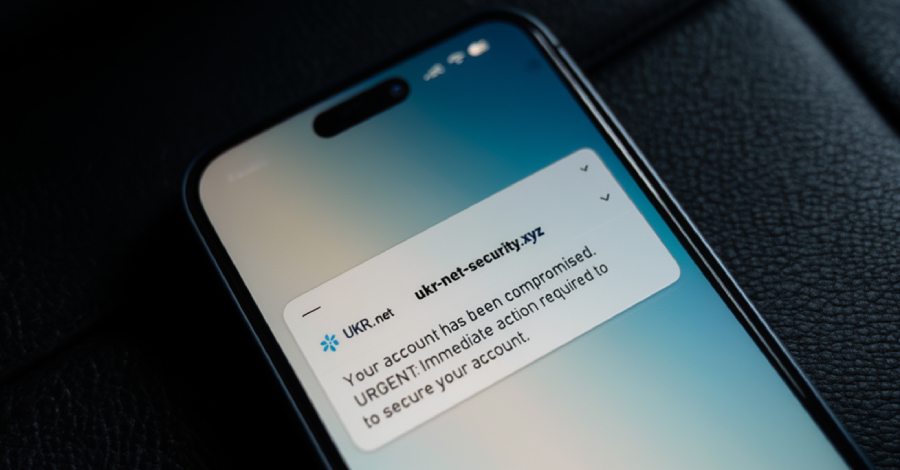
The Russian state-sponsored threat actor known as APT28 has been attributed to what has been described as a “sustained” credential-harvesting campaign targeting users of UKR[.]net, a webmail and news service popular in Ukraine.

The activity, observed by Recorded Future’s Insikt Group between June 2024 and April 2025, builds upon prior findings from the cybersecurity company in May 2024 that detailed the hacking group’s attacks targeting European networks with the HeadLace malware and credential-harvesting web pages.

APT28 is also tracked as BlueDelta, Fancy Bear, Forest Blizzard, FROZENLAKE, Iron Twilight, ITG05, Pawn Storm, Sednit, Sofacy, and TA422. It’s assessed to be affiliated with Russia’s Main Directorate of the General Staff of the Russian Federation’s Armed Forces (GRU).

The latest attacks are characterized by the deployment of UKR[.]net-themed login pages on legitimate services like Mocky to entice recipients into entering their credentials and two-factor authentication (2FA) codes. Links to these pages are embedded within PDF documents that are distributed via phishing emails.

The links are shortened using services like tiny[.]cc or tinyurl[.]com. In some cases, the threat actor has also been observed using subdomains created on platforms like Blogger (*.blogspot[.]com) to launch a two-tier redirection chain that leads to the credential harvesting page.

The efforts are part of a broader set of phishing and credential theft operations orchestrated by the adversary since mid-2000s targeting government institutions, defense contractors, weapons suppliers, logistics firms, and policy think tanks in pursuit of Russia’s strategic objectives.

“While this campaign does not reveal specific targets, BlueDelta’s historical focus on credential theft to enable intelligence collection provides strong indicators of likely intent to collect sensitive information from Ukrainian users in support of broader GRU intelligence requirements,” the Mastercard-owned company said in a report shared with The Hacker News.

What has changed is the transition from using compromised routers to proxy tunneling services such as ngrok and Serveo to capture and relay the stolen credentials and 2FA codes.

“BlueDelta’s continued abuse of free hosting and anonymized tunneling infrastructure likely reflects an adaptive response to Western-led infrastructure takedowns in early 2024,” Recorded Future said. “The campaign highlights the GRU’s persistent interest in compromising Ukrainian user credentials to support intelligence-gathering operations amid Russia’s ongoing war in Ukraine.”


Source

computer security cyber attacks cyber news cyber security news cyber security news today cyber security updates cyber updates data breach hacker news hacking news how to hack information security network security ransomware malware software vulnerability the hacker news
Share. Facebook Twitter Pinterest LinkedIn Tumblr Email
Previous ArticleNew ForumTroll Phishing Attacks Target Russian Scholars Using Fake eLibrary Emails
Next Article Kimwolf Botnet Hijacks 1.8 Million Android TVs, Launches Large-Scale DDoS Attacks
Team-CWD
  • Website

Related Posts

News

Chinese-Made Malware Kit Targets Chinese-Based Edge Devices

February 6, 2026
News

Two Ivanti EPMM Zero-Day RCE Flaws Actively Exploited, Security Updates Released

February 6, 2026
News

New Password-Stealing Phishing Campaign Targets Dropbox Credentials

February 6, 2026
Add A Comment
Leave A Reply Cancel Reply

Latest News

North Korean Hackers Turn JSON Services into Covert Malware Delivery Channels

November 24, 202522 Views

macOS Stealer Campaign Uses “Cracked” App Lures to Bypass Apple Securi

September 7, 202517 Views

North Korean Hackers Exploit Threat Intel Platforms For Phishing

September 7, 20256 Views

U.S. Treasury Sanctions DPRK IT-Worker Scheme, Exposing $600K Crypto Transfers and $1M+ Profits

September 5, 20256 Views

Ukrainian Ransomware Fugitive Added to Europe’s Most Wanted

September 11, 20255 Views
Stay In Touch
  • Facebook
  • YouTube
  • TikTok
  • WhatsApp
  • Twitter
  • Instagram
Most Popular

North Korean Hackers Turn JSON Services into Covert Malware Delivery Channels

November 24, 202522 Views

macOS Stealer Campaign Uses “Cracked” App Lures to Bypass Apple Securi

September 7, 202517 Views

North Korean Hackers Exploit Threat Intel Platforms For Phishing

September 7, 20256 Views
Our Picks

Why you should never pay to get paid

September 15, 2025

How it preys on personal data – and how to stay safe

October 23, 2025

What it is and how to protect yourself

January 8, 2026

Subscribe to Updates

Get the latest news from cyberwiredaily.com

Facebook X (Twitter) Instagram Pinterest
  • Home
  • Contact
  • Privacy Policy
  • Terms of Use
  • California Consumer Privacy Act (CCPA)
© 2026 All rights reserved.

Type above and press Enter to search. Press Esc to cancel.