Close Menu
  • Home
  • News
  • Cyber Security
  • Internet of Things
  • Tips and Advice

Subscribe to Updates

Get the latest creative news from FooBar about art, design and business.

What's Hot

Researchers Uncover Chrome Extensions Abusing Affiliate Links and Stealing ChatGPT Access

February 7, 2026

China-Linked UAT-8099 Targets IIS Servers in Asia with BadIIS SEO Malware

February 7, 2026

Badges, Bytes and Blackmail

February 7, 2026
Facebook X (Twitter) Instagram
Saturday, February 7
Facebook X (Twitter) Instagram Pinterest Vimeo
Cyberwire Daily
  • Home
  • News
  • Cyber Security
  • Internet of Things
  • Tips and Advice
Cyberwire Daily
Home»News»FBI Says Threat Actors Are Spoofing its IC3 Site
News

FBI Says Threat Actors Are Spoofing its IC3 Site

Team-CWDBy Team-CWDSeptember 22, 2025No Comments2 Mins Read
Share Facebook Twitter Pinterest LinkedIn Tumblr Reddit Telegram Email
Share
Facebook Twitter LinkedIn Pinterest Email


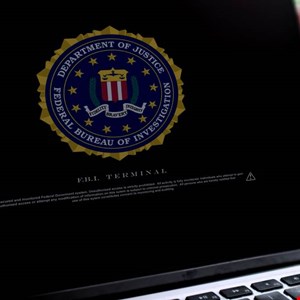
The FBI has urged cybercrime victims to exercise caution when visiting its Internet Crime Complaint Center (IC3) website, claiming that threat actors have created various spoofed versions.

In a public service announcement (PSA) on Friday, the FBI warned of the dangers of visiting a scam or phishing site designed to mimic the IC3 portal for cybercrime reporting.

“A spoofed website is designed to impersonate a legitimate website and may be used for illegal conduct, such as personal information theft and to facilitate monetary scams,” it said.

“Threat actors create spoofed websites often by slightly altering characteristics of legitimate website domains, with the purpose of gathering personally identifiable information (PII) entered by a user into the site, including name, home address, phone number, email address and banking information.”

They could also impersonate FBI IC3 staff in an attempt to revictimize individuals, by claiming to be able to recover lost funds for a fee, for example.

In fact, the IC3 homepage currently features an alert from back in April, when the FBI was forced to warn of impersonation scammers. It said it received more than 100 reports of such scams between December 2023 and February 2025.

Read more on the FBI’s IC3 initiative: Crypto Scams Reach New Heights, FBI Reports $5.6bn in Losses.

FBI Issues Advice for Cybercrime Victims

To mitigate the risk of visiting a spoofed site, the FBI urged internet users to:

  • Always type www.ic3.gov directly into the address bar rather than use a search engine
  • If using a search engine, avoid any sponsored results
  • Avoid clicking on any link whose URL differs from the legitimate IC3 site
  • Never click on links that may include suspicious artifacts or graphics, such as low-quality graphics used to imitate legitimate websites
  • Report any incidents of FBI impersonation scams to www.ic3.gov
  • Never pay anyone posing as an FBI officer or IC3 staff member
  • Don’t visit any social pages branded with IC3, as the center does not have a social media presence

Anyone reporting FBI impersonation attempts was urged to include as much information as possible about their identity, communication methods, financial transaction info (if relevant) and a detailed description of the interaction.


Source

Share. Facebook Twitter Pinterest LinkedIn Tumblr Email
Previous ArticleCursor AI Code Editor Flaw Enables Silent Code Execution via Malicious Repositories
Next Article Why Runtime Visibility Must Take Center Stage
Team-CWD
  • Website

Related Posts

News

Researchers Uncover Chrome Extensions Abusing Affiliate Links and Stealing ChatGPT Access

February 7, 2026
News

China-Linked UAT-8099 Targets IIS Servers in Asia with BadIIS SEO Malware

February 7, 2026
News

Badges, Bytes and Blackmail

February 7, 2026
Add A Comment
Leave A Reply Cancel Reply

Latest News

North Korean Hackers Turn JSON Services into Covert Malware Delivery Channels

November 24, 202522 Views

macOS Stealer Campaign Uses “Cracked” App Lures to Bypass Apple Securi

September 7, 202517 Views

North Korean Hackers Exploit Threat Intel Platforms For Phishing

September 7, 20256 Views

U.S. Treasury Sanctions DPRK IT-Worker Scheme, Exposing $600K Crypto Transfers and $1M+ Profits

September 5, 20256 Views

Ukrainian Ransomware Fugitive Added to Europe’s Most Wanted

September 11, 20255 Views
Stay In Touch
  • Facebook
  • YouTube
  • TikTok
  • WhatsApp
  • Twitter
  • Instagram
Most Popular

North Korean Hackers Turn JSON Services into Covert Malware Delivery Channels

November 24, 202522 Views

macOS Stealer Campaign Uses “Cracked” App Lures to Bypass Apple Securi

September 7, 202517 Views

North Korean Hackers Exploit Threat Intel Platforms For Phishing

September 7, 20256 Views
Our Picks

How cybercriminals are targeting content creators

November 26, 2025

What is it, and how do I get it off my device?

September 11, 2025

‘What happens online stays online’ and other cyberbullying myths, debunked

September 11, 2025

Subscribe to Updates

Get the latest news from cyberwiredaily.com

Facebook X (Twitter) Instagram Pinterest
  • Home
  • Contact
  • Privacy Policy
  • Terms of Use
  • California Consumer Privacy Act (CCPA)
© 2026 All rights reserved.

Type above and press Enter to search. Press Esc to cancel.