Close Menu
  • Home
  • News
  • Cyber Security
  • Internet of Things
  • Tips and Advice

Subscribe to Updates

Get the latest creative news from FooBar about art, design and business.

What's Hot

Fake Streams, Counterfeit Merch & Scams: How Fraudsters Target F1 Fans

May 25, 2026

Ivanti, Fortinet, SAP, VMware, n8n Patch RCE, SQL Injection, Privilege Escalation Flaws

May 25, 2026

FBI Warns ‘Kali365’ Phishing Kit Hijacks Microsoft 365 OAuth Tokens

May 25, 2026
Facebook X (Twitter) Instagram
Monday, May 25
Facebook X (Twitter) Instagram Pinterest Vimeo
Cyberwire Daily
  • Home
  • News
  • Cyber Security
  • Internet of Things
  • Tips and Advice
Cyberwire Daily
Home»News»FBI Warns ‘Kali365’ Phishing Kit Hijacks Microsoft 365 OAuth Tokens
News

FBI Warns ‘Kali365’ Phishing Kit Hijacks Microsoft 365 OAuth Tokens

Team-CWDBy Team-CWDMay 25, 2026No Comments2 Mins Read
Share Facebook Twitter Pinterest LinkedIn Tumblr Reddit Telegram Email
Share
Facebook Twitter LinkedIn Pinterest Email


A new phishing-as-a-service (PhaaS) platform called Kali365 is being distributed in the wild, primarily via Telegram, the FBI has warned.

First detected in April 2026, Kali365 provides cyber threat actors access to AI-generated phishing lures, automated campaign templates real-time targeted individual and entity tracking dashboards.

It also enables technically low-level individuals to capture OAuth tokens – Microsoft 365 access tokens – and bypass multifactor authentication (MFA) protocols without intercepting the user’s credentials.

Through the Kali365 platform subscription, cyber threat actors can gain persistent access to targeted individuals/entities’ Microsoft 365 environments.

Kali365 Attack Chain

In a typical attack chain, detailed by the FBI in an advisory published on May 21, an attacker initiates the scam by sending a phishing email that impersonates trusted cloud productivity and document-sharing services.

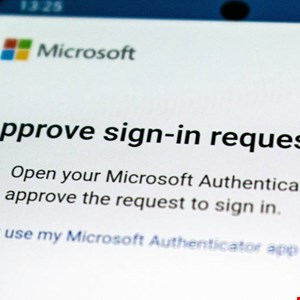
This email contains a device code along with instructions to visit a legitimate Microsoft verification page and enter the code.

Victims navigate to the real Microsoft page and paste in the device code, thereby unknowingly authorizing the attacker’s device to access their account.

The attacker then captures OAuth access and refresh tokens, which grants them access to the targeted individuals’ or entities’ Microsoft 365 account.

With these tokens in hand, the attacker can now access Microsoft 365 services such as Outlook, Teams and OneDrive without needing a password or completing any additional MFA challenges, thus establishing persistence in the compromised account.

Mitigating Kali365-Like Threats

To mitigate the threat of being targeted by Kali365-enabled cybercriminals, the FBI recommended the following measures:

  • Restrict device code flow to limit or block device authentication codes
  • Create a conditional access policy to block device code flow for all users, with limited exceptions for required business processes
  • Block authentication transfer policies to prevent users from transferring authentication from computers to mobile devices
  • Exclude emergency access accounts to prevent lockouts

Image credits: Ed Hardie / Unsplash


Source

Share. Facebook Twitter Pinterest LinkedIn Tumblr Email
Previous ArticleMiniPlasma Windows 0-Day Enables SYSTEM Privilege Escalation on Fully Patched Systems
Next Article Ivanti, Fortinet, SAP, VMware, n8n Patch RCE, SQL Injection, Privilege Escalation Flaws
Team-CWD
  • Website

Related Posts

News

Fake Streams, Counterfeit Merch & Scams: How Fraudsters Target F1 Fans

May 25, 2026
News

Ivanti, Fortinet, SAP, VMware, n8n Patch RCE, SQL Injection, Privilege Escalation Flaws

May 25, 2026
News

MiniPlasma Windows 0-Day Enables SYSTEM Privilege Escalation on Fully Patched Systems

May 25, 2026
Add A Comment
Leave A Reply Cancel Reply

Latest News

North Korean Hackers Turn JSON Services into Covert Malware Delivery Channels

November 24, 202522 Views

macOS Stealer Campaign Uses “Cracked” App Lures to Bypass Apple Securi

September 7, 202517 Views

North Korean Hackers Target Crypto Firms with ClickFix and Zoom Lures

April 29, 202610 Views

Why SOC Burnout Can Be Avoided: Practical Steps

November 14, 20259 Views

Cyber M&A Roundup: Cyber Giants Strengthen AI Security Offerings

December 1, 20258 Views
Stay In Touch
  • Facebook
  • YouTube
  • TikTok
  • WhatsApp
  • Twitter
  • Instagram
Most Popular

North Korean Hackers Turn JSON Services into Covert Malware Delivery Channels

November 24, 202522 Views

macOS Stealer Campaign Uses “Cracked” App Lures to Bypass Apple Securi

September 7, 202517 Views

North Korean Hackers Target Crypto Firms with ClickFix and Zoom Lures

April 29, 202610 Views
Our Picks

What’s at stake if your employees post too much online

December 1, 2025

Top IRS scams to look out for in 2026

February 10, 2026

When ‘hacking’ your game becomes a security risk

October 17, 2025

Subscribe to Updates

Get the latest news from cyberwiredaily.com

Facebook X (Twitter) Instagram Pinterest
  • Home
  • Contact
  • Privacy Policy
  • Terms of Use
  • California Consumer Privacy Act (CCPA)
© 2026 All rights reserved.

Type above and press Enter to search. Press Esc to cancel.