Close Menu
  • Home
  • News
  • Cyber Security
  • Internet of Things
  • Tips and Advice

Subscribe to Updates

Get the latest creative news from FooBar about art, design and business.

What's Hot

Substack Confirms Data Breach, “Limited User Data” Compromised

February 6, 2026

SmarterMail Fixes Critical Unauthenticated RCE Flaw with CVSS 9.3 Score

February 6, 2026

Here’s what you should know

February 6, 2026
Facebook X (Twitter) Instagram
Saturday, February 7
Facebook X (Twitter) Instagram Pinterest Vimeo
Cyberwire Daily
  • Home
  • News
  • Cyber Security
  • Internet of Things
  • Tips and Advice
Cyberwire Daily
Home»News»GenAI and Deepfakes Drive Digital Forgeries and Biometric Fraud
News

GenAI and Deepfakes Drive Digital Forgeries and Biometric Fraud

Team-CWDBy Team-CWDNovember 18, 2025No Comments2 Mins Read
Share Facebook Twitter Pinterest LinkedIn Tumblr Reddit Telegram Email
Share
Facebook Twitter LinkedIn Pinterest Email


AI technology is being adopted by fraudsters in ever growing numbers to commit new account fraud (NAF) and circumvent even biometric-based checks, according to a new report from Entrust.

The security vendor analyzed data from over one billion identity verifications in 30+ sectors and 195 countries, between September 2024 and September 2025, to compile its 2026 Identity Fraud Report.

It revealed that, while physical counterfeits accounted for almost half (47%) of document fraud attempts, digital forgeries now comprise over a third (35%). The latter has been driven by “the accessibility and scalability of modern editing tools” and generative AI (GenAI), which enables the creation of “hyper-realistic replicas” of identity documents, it said.

Fraudsters typically use these techniques to open new accounts.

“What once required specialized software and design skills can now be achieved with an open-source model and a few prompts,” the report claimed.

Read more on digital fraud: Digital Fraud Costs Companies Worldwide 7.7% of Annual Revenue

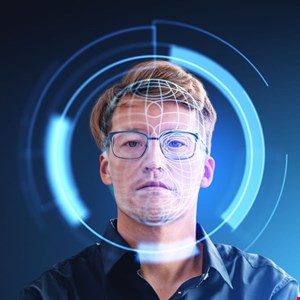
Scammers are also turning to AI-powered deepfakes to help them open new online accounts.

Entrust claimed deepfakes now account for a fifth of biometric fraud attempts. They’re especially prevalent in financial services, particularly for crypto (60%), digital-first banks (22%) and payments & merchants (13%).

Deepfake methods include:

  • Synthetic identities: AI-generated faces that don’t correspond to real people
  • Face swaps: Replacing one person’s face with another in a recorded or live video
  • Animated selfies: Taking a static photo and using AI to add movement

Injection Attacks on the Rise

The report warned that deepfakes are most likely to be used in injection attacks, where fake images/videos are fed straight into an identity verification system, bypassing the camera and live capture process.

The frequency of such attacks has risen by 40% annually, Entrust claimed.

Virtual camera injections are most common, often paired with device emulation techniques to trick the verification software into believing it is a legitimate user/login attempt.

“As detection improves, fraud rings evolve, becoming faster, more organized and commercially driven,” said Simon Horswell, senior fraud specialist manager at Entrust.

“Generative AI and shared tactics fuel volumes and sophistication, targeting people, credentials and systems. Identity is now the front line, and protecting it with trusted, verified identity across the customer lifecycle is essential to staying ahead of adaptive threats.”


Source

Share. Facebook Twitter Pinterest LinkedIn Tumblr Email
Previous ArticleFrom Log4j to IIS, China’s Hackers Turn Legacy Bugs into Global Espionage Tools
Next Article Samsung Mobile Flaw Exploited as Zero-Day to Deploy LANDFALL Android Spyware
Team-CWD
  • Website

Related Posts

News

Substack Confirms Data Breach, “Limited User Data” Compromised

February 6, 2026
News

SmarterMail Fixes Critical Unauthenticated RCE Flaw with CVSS 9.3 Score

February 6, 2026
News

Chinese-Made Malware Kit Targets Chinese-Based Edge Devices

February 6, 2026
Add A Comment
Leave A Reply Cancel Reply

Latest News

North Korean Hackers Turn JSON Services into Covert Malware Delivery Channels

November 24, 202522 Views

macOS Stealer Campaign Uses “Cracked” App Lures to Bypass Apple Securi

September 7, 202517 Views

North Korean Hackers Exploit Threat Intel Platforms For Phishing

September 7, 20256 Views

U.S. Treasury Sanctions DPRK IT-Worker Scheme, Exposing $600K Crypto Transfers and $1M+ Profits

September 5, 20256 Views

Ukrainian Ransomware Fugitive Added to Europe’s Most Wanted

September 11, 20255 Views
Stay In Touch
  • Facebook
  • YouTube
  • TikTok
  • WhatsApp
  • Twitter
  • Instagram
Most Popular

North Korean Hackers Turn JSON Services into Covert Malware Delivery Channels

November 24, 202522 Views

macOS Stealer Campaign Uses “Cracked” App Lures to Bypass Apple Securi

September 7, 202517 Views

North Korean Hackers Exploit Threat Intel Platforms For Phishing

September 7, 20256 Views
Our Picks

In memoriam: David Harley

November 12, 2025

What it is and how to protect yourself

January 8, 2026

2025’s most common passwords were as predictable as ever

January 21, 2026

Subscribe to Updates

Get the latest news from cyberwiredaily.com

Facebook X (Twitter) Instagram Pinterest
  • Home
  • Contact
  • Privacy Policy
  • Terms of Use
  • California Consumer Privacy Act (CCPA)
© 2026 All rights reserved.

Type above and press Enter to search. Press Esc to cancel.