Close Menu
  • Home
  • News
  • Cyber Security
  • Internet of Things
  • Tips and Advice

Subscribe to Updates

Get the latest creative news from FooBar about art, design and business.

What's Hot

macOS Flaw Lets Standard Users Disable EDR and MDM

June 26, 2026

Crypto Clipper Campaign Abuses Fake Reviews, AI Narrators, and VirusTotal Comments

June 26, 2026

Major Increase in Ransomware Attacks Targeting Europe, Warns Report

June 26, 2026
Facebook X (Twitter) Instagram
Friday, June 26
Facebook X (Twitter) Instagram Pinterest Vimeo
Cyberwire Daily
  • Home
  • News
  • Cyber Security
  • Internet of Things
  • Tips and Advice
Cyberwire Daily
Home»News»Google to Shut Down Dark Web Monitoring Tool in February 2026
News

Google to Shut Down Dark Web Monitoring Tool in February 2026

Team-CWDBy Team-CWDDecember 24, 2025No Comments2 Mins Read
Share Facebook Twitter Pinterest LinkedIn Tumblr Reddit Telegram Email
Share
Facebook Twitter LinkedIn Pinterest Email


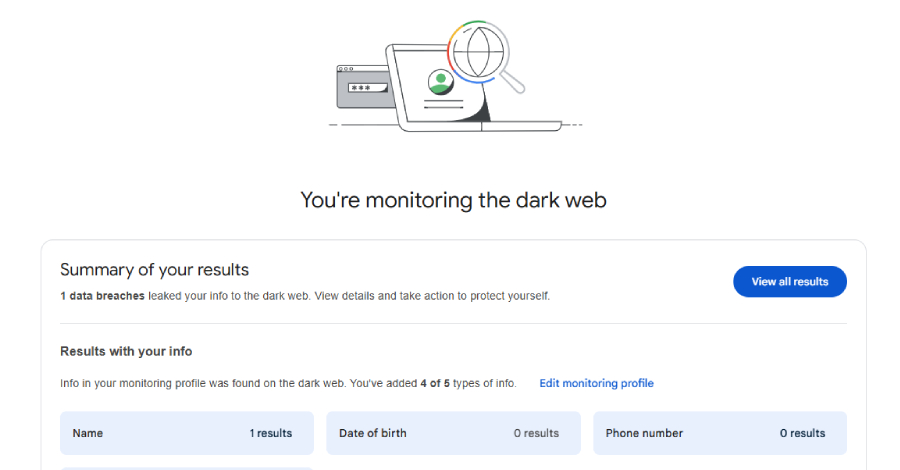
Google has announced that it’s discontinuing its dark web report tool in February 2026, less than two years after it was launched as a way for users to monitor if their personal information is found on the dark web.

To that end, scans for new dark web breaches will be stopped on January 15, 2026, and the feature will cease to exist effective February 16, 2026.

“While the report offered general information, feedback showed that it didn’t provide helpful next steps,” Google said in a support document. “We’re making this change to instead focus on tools that give you more clear, actionable steps to protect your information online.”

The tech giant said it will delete all data related to dark web report once the feature is retired in February, but noted that users have an option to delete their monitoring profile ahead of time by following the steps below –

  • Go to the Dark Web report
  • Under “Results with your info,” click Edit monitoring profile
  • At the bottom, click “Delete monitoring profile” -> Delete

The dark web report was unveiled by Google in March 2023 to combat online identity fraud stemming from information stolen through data breaches and made available on the dark web. The report was designed to scan the darknet for personal data, such as name, address, email, phone number, and Social Security number, and notify users when it’s found.

In July 2024, Google expanded the offering beyond Google One subscribers to include all account holders.

Google is also urging users to strengthen their account privacy and security by creating a passkey for phishing-resistant multi-factor authentication (MFA) and removing their personal information from Google Search results via Results about you.


Source

computer security cyber attacks cyber news cyber security news cyber security news today cyber security updates cyber updates data breach hacker news hacking news how to hack information security network security ransomware malware software vulnerability the hacker news
Share. Facebook Twitter Pinterest LinkedIn Tumblr Email
Previous ArticleWhat are brushing scams and how do I stay safe?
Next Article NIST, MITRE Partner on $20m AI Centers For Manufacturing and Cyber
Team-CWD
  • Website

Related Posts

News

macOS Flaw Lets Standard Users Disable EDR and MDM

June 26, 2026
News

Crypto Clipper Campaign Abuses Fake Reviews, AI Narrators, and VirusTotal Comments

June 26, 2026
News

New CISA Guide Helps Agencies Adopt SASE For Zero Trust

June 25, 2026
Add A Comment
Leave A Reply Cancel Reply

Latest News

North Korean Hackers Turn JSON Services into Covert Malware Delivery Channels

November 24, 202522 Views

macOS Stealer Campaign Uses “Cracked” App Lures to Bypass Apple Securi

September 7, 202517 Views

North Korean Hackers Target Crypto Firms with ClickFix and Zoom Lures

April 29, 202610 Views

Why SOC Burnout Can Be Avoided: Practical Steps

November 14, 20259 Views

Cyber M&A Roundup: Cyber Giants Strengthen AI Security Offerings

December 1, 20258 Views
Stay In Touch
  • Facebook
  • YouTube
  • TikTok
  • WhatsApp
  • Twitter
  • Instagram
Most Popular

North Korean Hackers Turn JSON Services into Covert Malware Delivery Channels

November 24, 202522 Views

macOS Stealer Campaign Uses “Cracked” App Lures to Bypass Apple Securi

September 7, 202517 Views

North Korean Hackers Target Crypto Firms with ClickFix and Zoom Lures

April 29, 202610 Views
Our Picks

2025’s most common passwords were as predictable as ever

January 21, 2026

What if your romantic AI chatbot can’t keep a secret?

November 18, 2025

A stealthy RAT burrowing deep into Android devices

May 26, 2026

Subscribe to Updates

Get the latest news from cyberwiredaily.com

Facebook X (Twitter) Instagram Pinterest
  • Home
  • Contact
  • Privacy Policy
  • Terms of Use
  • California Consumer Privacy Act (CCPA)
© 2026 All rights reserved.

Type above and press Enter to search. Press Esc to cancel.