Close Menu
  • Home
  • News
  • Cyber Security
  • Internet of Things
  • Tips and Advice

Subscribe to Updates

Get the latest creative news from FooBar about art, design and business.

What's Hot

Aeternum C2 Botnet Stores Encrypted Commands on Polygon Blockchain to Evade Takedown

March 7, 2026

UAT-10027 Targets U.S. Education and Healthcare with Dohdoor Backdoor

March 7, 2026

Kali Linux + Claude, Chrome Crash Traps, WinRAR Flaws, LockBit & 15+ Stories

March 7, 2026
Facebook X (Twitter) Instagram
Sunday, March 8
Facebook X (Twitter) Instagram Pinterest Vimeo
Cyberwire Daily
  • Home
  • News
  • Cyber Security
  • Internet of Things
  • Tips and Advice
Cyberwire Daily
Home»News»Iran’s MuddyWater Hackers Hit US Firms with New ‘Dindoor’ Backdoor
News

Iran’s MuddyWater Hackers Hit US Firms with New ‘Dindoor’ Backdoor

Team-CWDBy Team-CWDMarch 6, 2026No Comments2 Mins Read
Share Facebook Twitter Pinterest LinkedIn Tumblr Reddit Telegram Email
Share
Facebook Twitter LinkedIn Pinterest Email


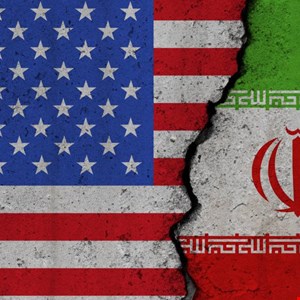
Several US companies have been targeted by Iranian hacking group MuddyWater in a new campaign that started in early February and has continued after the US and Israeli military strikes on Iran.

The campaign was detected by the Threat Hunter Team at Broadcom’s Symantec and Carbon Black.

The potential victims include a US bank, a US airport, non-governmental organizations in both the US and Canada and the Israeli operation of a US software company that supplies the defense and aerospace sectors. Each of these organizations has experienced suspicious activity on their networks in recent days and weeks, said the Threat Hunter Team in a March 5 report.

The campaign involves a previously unknown backdoor, dubbed ‘Dindoor’ by the cyber threat researchers.

Reused Certificates Tie New Backdoors to Iran-Linked MuddyWater

The Dindoor backdoor was found by the threat researchers on the networks of the Israeli outpost of the software company, the US bank and the Canadian non-profit organization.

Signed with a certificate issued to “Amy Cherne,” this backdoor leverages Deno, the secure runtime for JavaScript and TypeScript, to execute.

The researchers also observed an attempt to exfiltrate data from the software company using Rclone, a command-line program to manage files on cloud storage, to a Wasabi cloud storage bucket.  It is not clear if this attempt was successful.

A different, Python backdoor called Fakeset was found on the networks of the US airport. It was signed by certificates issued to “Amy Cherne” and “Donald Gay”.

The Donald Gay certificate has been used previously to sign malware linked to MuddyWater, a hacking group active since 2017 and associated with the Iranian Ministry of Intelligence and Security (MOIS), also known as Seedworm, Temp Zagros and Static Kitten.

The backdoor was downloaded from two servers belonging to the Backblaze cloud storage company.

The Donald Gay certificate was also used to sign a sample from the malware family the researchers track as ‘Stagecomp,’ which downloads the Darkcomp backdoor.

The Stagecomp and the Darkcomp malware have been linked to MuddyWater by security vendors, including Google, Microsoft and Kaspersky.

This malware wasn’t seen on the targeted networks, but the use of the same certificates suggests MuddyWater was involved, said the Threat Hunter Team.

“While we have disrupted these breaches, other organizations could still be vulnerable to attack,” the researchers added.


Source

Share. Facebook Twitter Pinterest LinkedIn Tumblr Email
Previous ArticleMalicious StripeApi NuGet Package Mimicked Official Library and Stole API Tokens
Next Article Microsoft Warns Developers of Fake Next.js Job Repos Delivering In-Memory Malware
Team-CWD
  • Website

Related Posts

News

Aeternum C2 Botnet Stores Encrypted Commands on Polygon Blockchain to Evade Takedown

March 7, 2026
News

UAT-10027 Targets U.S. Education and Healthcare with Dohdoor Backdoor

March 7, 2026
News

Kali Linux + Claude, Chrome Crash Traps, WinRAR Flaws, LockBit & 15+ Stories

March 7, 2026
Add A Comment
Leave A Reply Cancel Reply

Latest News

North Korean Hackers Turn JSON Services into Covert Malware Delivery Channels

November 24, 202522 Views

macOS Stealer Campaign Uses “Cracked” App Lures to Bypass Apple Securi

September 7, 202517 Views

North Korean Hackers Exploit Threat Intel Platforms For Phishing

September 7, 20256 Views

U.S. Treasury Sanctions DPRK IT-Worker Scheme, Exposing $600K Crypto Transfers and $1M+ Profits

September 5, 20256 Views

Ukrainian Ransomware Fugitive Added to Europe’s Most Wanted

September 11, 20255 Views
Stay In Touch
  • Facebook
  • YouTube
  • TikTok
  • WhatsApp
  • Twitter
  • Instagram
Most Popular

North Korean Hackers Turn JSON Services into Covert Malware Delivery Channels

November 24, 202522 Views

macOS Stealer Campaign Uses “Cracked” App Lures to Bypass Apple Securi

September 7, 202517 Views

North Korean Hackers Exploit Threat Intel Platforms For Phishing

September 7, 20256 Views
Our Picks

Children and chatbots: What parents should know

January 23, 2026

Look out for phony verification pages spreading malware

September 14, 2025

How to help older family members avoid scams

October 31, 2025

Subscribe to Updates

Get the latest news from cyberwiredaily.com

Facebook X (Twitter) Instagram Pinterest
  • Home
  • Contact
  • Privacy Policy
  • Terms of Use
  • California Consumer Privacy Act (CCPA)
© 2026 All rights reserved.

Type above and press Enter to search. Press Esc to cancel.