Close Menu
  • Home
  • News
  • Cyber Security
  • Internet of Things
  • Tips and Advice

Subscribe to Updates

Get the latest creative news from FooBar about art, design and business.

What's Hot

Badges, Bytes and Blackmail

February 7, 2026

Ex-Google Engineer Convicted for Stealing AI Secrets for China Startup

February 7, 2026

Substack Confirms Data Breach, “Limited User Data” Compromised

February 6, 2026
Facebook X (Twitter) Instagram
Saturday, February 7
Facebook X (Twitter) Instagram Pinterest Vimeo
Cyberwire Daily
  • Home
  • News
  • Cyber Security
  • Internet of Things
  • Tips and Advice
Cyberwire Daily
Home»News»Microsoft Links Storm-1175 to GoAnywhere Exploit Deploying Medusa Ransomware
News

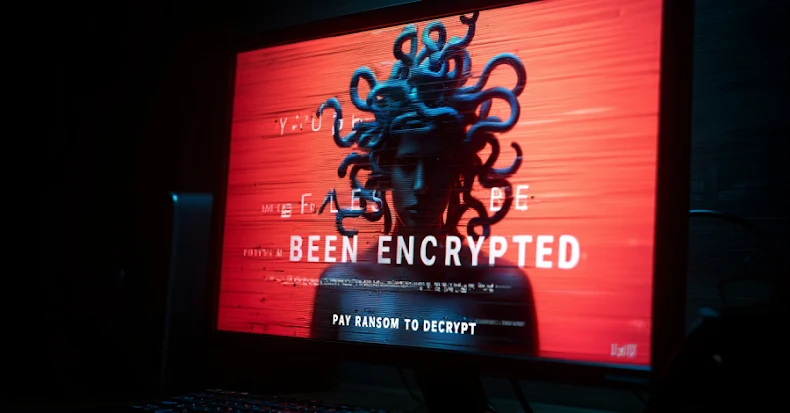
Microsoft Links Storm-1175 to GoAnywhere Exploit Deploying Medusa Ransomware

Team-CWDBy Team-CWDOctober 15, 2025No Comments3 Mins Read
Share Facebook Twitter Pinterest LinkedIn Tumblr Reddit Telegram Email
Share
Facebook Twitter LinkedIn Pinterest Email


Microsoft on Monday attributed a threat actor it tracks as Storm-1175 to the exploitation of a critical security flaw in Fortra GoAnywhere software to facilitate the deployment of Medusa ransomware.

The vulnerability is CVE-2025-10035 (CVSS score: 10.0), a critical deserialization bug that could result in command injection without authentication. It was addressed in version 7.8.4, or the Sustain Release 7.6.3.

“The vulnerability could allow a threat actor with a validly forged license response signature to deserialize an arbitrary actor-controlled object, possibly leading to command injection and potential remote code execution (RCE),” the Microsoft Threat Intelligence team said.

According to the tech giant, Storm-1175 is a cybercriminal group known for deploying Medusa ransomware and exploiting public-facing applications for initial access. Exploitation activity related to CVE-2025-10035 is said to have been detected in multiple organizations on September 11, 2025. It’s worth noting that watchTowr revealed last week that there were indications of active exploitation of the flaw since at least since September 10.

Furthermore, successful exploitation of CVE-2025-10035 could allow attackers to perform system and user discovery, maintain long-term access, and deploy additional tools for lateral movement and malware.

The attack chain following initial access entails dropping remote monitoring and management (RMM) tools, such as SimpleHelp and MeshAgent, to maintain persistence. The threat actors have also been observed creating .jsp files within the GoAnywhere MFT directories, often at the same time as the dropped RMM tools.

In the next phase, commands for user, network, and system discovery are executed, followed by leveraging mstsc.exe (i.e., Windows Remote Desktop Connection) for lateral movement across the network.

The downloaded RMM tools are used for command-and-control (C2) using a Cloudflare tunnel, with Microsoft observing the use of Rclone in at least one victim environment for data exfiltration. The attack ultimately paves the way for the Medusa ransomware deployment.

“Organizations running GoAnywhere MFT have effectively been under silent assault since at least September 11, with little clarity from Fortra,” watchTowr CEO and Founder, Benjamin Harris, said. “Microsoft’s confirmation now paints a pretty unpleasant picture — exploitation, attribution, and a month-long head start for the attackers.

“What’s still missing are the answers only Fortra can provide. How did threat actors get the private keys needed to exploit this? Why were organizations left in the dark for so long? Customers deserve transparency, not silence. We hope they will share in the very near future so affected or potentially affected organizations can understand their exposure to a vulnerability that is being actively exploited in the wild.”


Source

computer security cyber attacks cyber news cyber security news cyber security news today cyber security updates cyber updates data breach hacker news hacking news how to hack information security network security ransomware malware software vulnerability the hacker news
Share. Facebook Twitter Pinterest LinkedIn Tumblr Email
Previous ArticleSenior Execs Falling Short on Cyber-Attack Preparedness, NCSC Warns
Next Article Last Windows 10 Patch Tuesday Fixes Six Zero Days
Team-CWD
  • Website

Related Posts

News

Badges, Bytes and Blackmail

February 7, 2026
News

Ex-Google Engineer Convicted for Stealing AI Secrets for China Startup

February 7, 2026
News

Substack Confirms Data Breach, “Limited User Data” Compromised

February 6, 2026
Add A Comment
Leave A Reply Cancel Reply

Latest News

North Korean Hackers Turn JSON Services into Covert Malware Delivery Channels

November 24, 202522 Views

macOS Stealer Campaign Uses “Cracked” App Lures to Bypass Apple Securi

September 7, 202517 Views

North Korean Hackers Exploit Threat Intel Platforms For Phishing

September 7, 20256 Views

U.S. Treasury Sanctions DPRK IT-Worker Scheme, Exposing $600K Crypto Transfers and $1M+ Profits

September 5, 20256 Views

Ukrainian Ransomware Fugitive Added to Europe’s Most Wanted

September 11, 20255 Views
Stay In Touch
  • Facebook
  • YouTube
  • TikTok
  • WhatsApp
  • Twitter
  • Instagram
Most Popular

North Korean Hackers Turn JSON Services into Covert Malware Delivery Channels

November 24, 202522 Views

macOS Stealer Campaign Uses “Cracked” App Lures to Bypass Apple Securi

September 7, 202517 Views

North Korean Hackers Exploit Threat Intel Platforms For Phishing

September 7, 20256 Views
Our Picks

How cybercriminals are targeting content creators

November 26, 2025

What it is and how to protect yourself

January 8, 2026

2025’s most common passwords were as predictable as ever

January 21, 2026

Subscribe to Updates

Get the latest news from cyberwiredaily.com

Facebook X (Twitter) Instagram Pinterest
  • Home
  • Contact
  • Privacy Policy
  • Terms of Use
  • California Consumer Privacy Act (CCPA)
© 2026 All rights reserved.

Type above and press Enter to search. Press Esc to cancel.