Close Menu
  • Home
  • News
  • Cyber Security
  • Internet of Things
  • Tips and Advice

Subscribe to Updates

Get the latest creative news from FooBar about art, design and business.

What's Hot

macOS Flaw Lets Standard Users Disable EDR and MDM

June 26, 2026

Crypto Clipper Campaign Abuses Fake Reviews, AI Narrators, and VirusTotal Comments

June 26, 2026

Major Increase in Ransomware Attacks Targeting Europe, Warns Report

June 26, 2026
Facebook X (Twitter) Instagram
Friday, June 26
Facebook X (Twitter) Instagram Pinterest Vimeo
Cyberwire Daily
  • Home
  • News
  • Cyber Security
  • Internet of Things
  • Tips and Advice
Cyberwire Daily
Home»News»U.S. DoJ Seizes Fraud Domain Behind $14.6 Million Bank Account Takeover Scheme
News

U.S. DoJ Seizes Fraud Domain Behind $14.6 Million Bank Account Takeover Scheme

Team-CWDBy Team-CWDJanuary 1, 2026No Comments2 Mins Read
Share Facebook Twitter Pinterest LinkedIn Tumblr Reddit Telegram Email
Share
Facebook Twitter LinkedIn Pinterest Email


The U.S. Justice Department (DoJ) on Monday announced the seizure of a web domain and database that it said was used to further a criminal scheme designed to target and defraud Americans by means of a bank account takeover scheme.

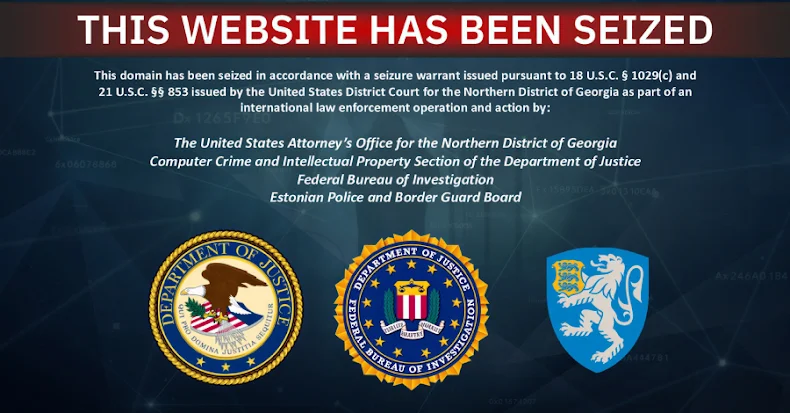
The domain in question, web3adspanels[.]org, was used as a backend web panel to host and manipulate illegally harvested bank login credentials. Users to the website are now greeted by a seizure banner that says the domain was taken down in an international law enforcement operation led by authorities from the U.S. and Estonia.

“The criminal group perpetrating the bank account takeover fraud delivered fraudulent advertisements through search engines, including Google and Bing,” the DoJ said. “These fraudulent advertisements imitate the sponsored search engine advertisements used by legitimate banking entities.”

The ads served as a conduit to redirect unsuspecting users to fake bank websites operated by the threat actors, who harvested login credentials entered by victims through an unspecified malicious software program built into the sites. The stolen credentials were then used by the criminals to sign into legitimate bank websites to take over victims’ accounts and drain their funds.

The scheme is estimated to have claimed 19 victims across the U.S. to date, including two companies in the Northern District of Georgia, leading to attempted losses of approximately $28 million and actual losses of approximately $14.6 million.

The DoJ said the confiscated domain stored the stolen login credentials of thousands of victims, in addition to hosting a backend server to facilitate takeover fraud as recently as last month.

According to information shared by the U.S. Federal Bureau of Investigation (FBI), the Internet Crime Complaint Center (IC3) has received more than 5,100 complaints related to bank account takeover fraud since January 2025, with reported losses upwards of $262 million.

Users are advised to exercise caution when sharing about themselves online or on social media; regularly monitor accounts for any financial irregularities; use unique, complex passwords; ensure the correctness of banking website URLs before signing in; and stay vigilant against phishing attacks or suspicious callers.


Source

computer security cyber attacks cyber news cyber security news cyber security news today cyber security updates cyber updates data breach hacker news hacking news how to hack information security network security ransomware malware software vulnerability the hacker news
Share. Facebook Twitter Pinterest LinkedIn Tumblr Email
Previous ArticleCritical n8n Flaw (CVSS 9.9) Enables Arbitrary Code Execution Across Thousands of Instances
Next Article A walkthrough of the Google Workspace Password Manager
Team-CWD
  • Website

Related Posts

News

macOS Flaw Lets Standard Users Disable EDR and MDM

June 26, 2026
News

Crypto Clipper Campaign Abuses Fake Reviews, AI Narrators, and VirusTotal Comments

June 26, 2026
News

New CISA Guide Helps Agencies Adopt SASE For Zero Trust

June 25, 2026
Add A Comment
Leave A Reply Cancel Reply

Latest News

North Korean Hackers Turn JSON Services into Covert Malware Delivery Channels

November 24, 202522 Views

macOS Stealer Campaign Uses “Cracked” App Lures to Bypass Apple Securi

September 7, 202517 Views

North Korean Hackers Target Crypto Firms with ClickFix and Zoom Lures

April 29, 202610 Views

Why SOC Burnout Can Be Avoided: Practical Steps

November 14, 20259 Views

Cyber M&A Roundup: Cyber Giants Strengthen AI Security Offerings

December 1, 20258 Views
Stay In Touch
  • Facebook
  • YouTube
  • TikTok
  • WhatsApp
  • Twitter
  • Instagram
Most Popular

North Korean Hackers Turn JSON Services into Covert Malware Delivery Channels

November 24, 202522 Views

macOS Stealer Campaign Uses “Cracked” App Lures to Bypass Apple Securi

September 7, 202517 Views

North Korean Hackers Target Crypto Firms with ClickFix and Zoom Lures

April 29, 202610 Views
Our Picks

Managing risks to your loved one’s digital estate

April 2, 2026

Can password managers get hacked? Here’s what to know

November 14, 2025

Is Poshmark safe? How to buy and sell without getting scammed

February 19, 2026

Subscribe to Updates

Get the latest news from cyberwiredaily.com

Facebook X (Twitter) Instagram Pinterest
  • Home
  • Contact
  • Privacy Policy
  • Terms of Use
  • California Consumer Privacy Act (CCPA)
© 2026 All rights reserved.

Type above and press Enter to search. Press Esc to cancel.