


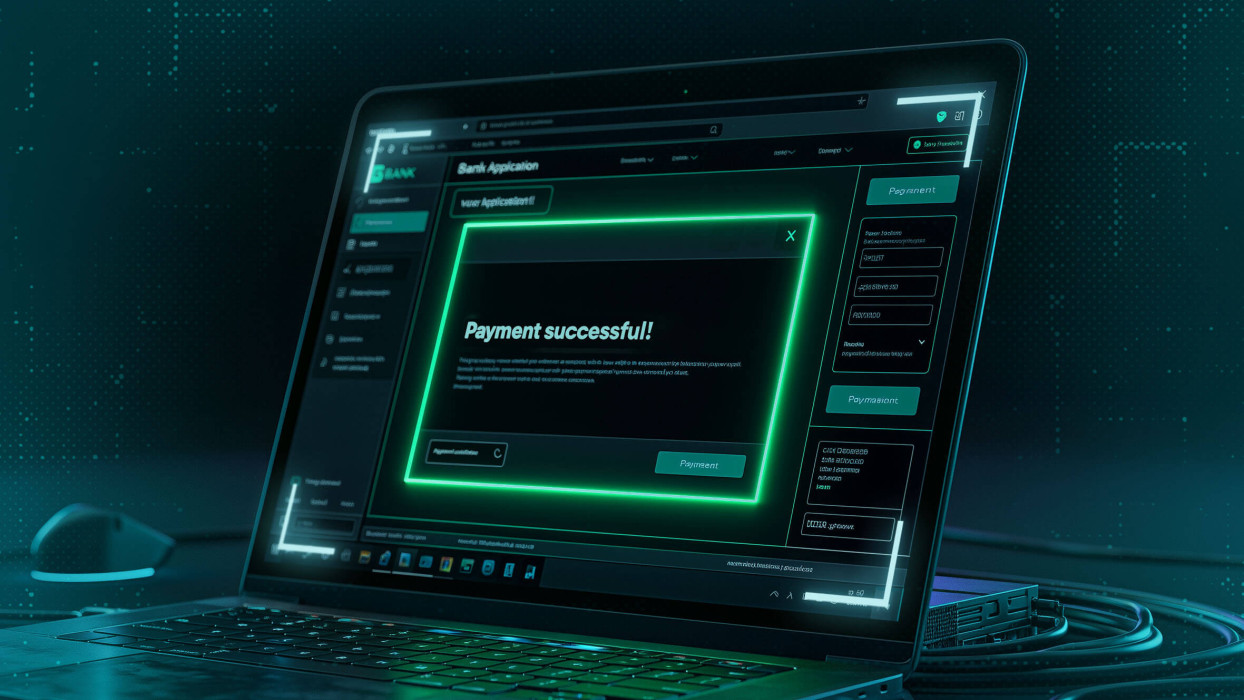
The screenshot may look convincing, but it doesn’t necessarily prove that the payment, booking or conversation is genuine
Someone sends you a screenshot showing that a payment has gone through. It carries the right logo, amount, timestamp and transaction status. Yet the money never arrives.
What passes for proof today can generally be very different from just a few years ago. Screenshots, often commonly treated as a convenient record of a payment, message or online conversation, are hard to take at face value. To be sure, they have always been open to manipulation, but generative AI and other readily available tools have made convincing fabrications even quicker and easier to produce. Everything from bank transfers and bookings to social media posts and corporate chats can be easily created to order.
That’s bad news for consumers already facing a massive surge in digital fraud, as well as possibly for companies exposed to financial, regulatory and reputational risk. As digital evidence gets easier to fake, individuals and even organizations need to reconsider what they accept as proof.
Why screenshot aren’t proof on their own
A screenshot is ultimately just an image of what appeared on a screen. It may provide useful context, but it doesn’t provide reliable information about who created it or whether the underlying transaction or conversation is genuine. It could have been cropped, edited and modified in other ways, or completely created from scratch using one of the many tools on the market. That all makes it a weak form of legally submissible evidence. On their own, screenshots can’t be seen as persuasive as original records, transaction references, system logs or information obtained directly from the service concerned.
The distinction matters because scammers can easily use screenshots to make invented claims appear credible.
Challenges for consumers
If you’re genuinely sending a screenshot to a bank, hospital, travel company or other provider as proof or evidence in a dispute, prepare to be disappointed. Businesses have become rightly skeptical of such moves. You may find your screenshots dismissed out of hand as potential evidence. Or at least, be asked to provide additional proof, which may prolong cases and hurt your chances of a beneficial outcome.
However, there are other more malign ways you might be impacted. Screenshots are an easily-available way for scammers to deceive their victims. Here are a few examples:
- ·ou’re selling an item on an online marketplace. The buyer sends a screenshot apparently showing a successful funds transfer from your payment or online banking app. Reassured, you send the item off, only to find out the screenshot was a fake and you’re not getting your money.
- A buyer for your item sends a screenshot which shows that their funds will only be released if they pay an extra charge for an account upgrade or similar. It’s all a lie and the buyer will pocket the extra funds.
- A romance scammer makes up excuses for not visiting you in person, sending screenshots of booked flights which get mysteriously cancelled.
- Romance fraudsters may also used screenshots to trick you into sending them money, perhaps for non-existent emergency hospital treatment, or visa fees needed to visit you. If you demand your money back, they might also send you a fake screen grab as “proof” they’ve done just that.
- You’re in a WhatsApp group for crypto investors. Fake screenshots are shared by ‘members’ of the group as proof that the value of their investments is surging. Neither they nor the purported accounts exist.
- You’ve unwittingly ended up on a scam e-commerce site, but there are embedded images of delighted ‘customer reviews’ everywhere as proof that it is legitimate. In fact, nothing could be further from the truth.
- You receive a password reset code, then get a text message (maybe impersonating a friend) asking you to screenshot and send it. This will enable hackers to access your account.
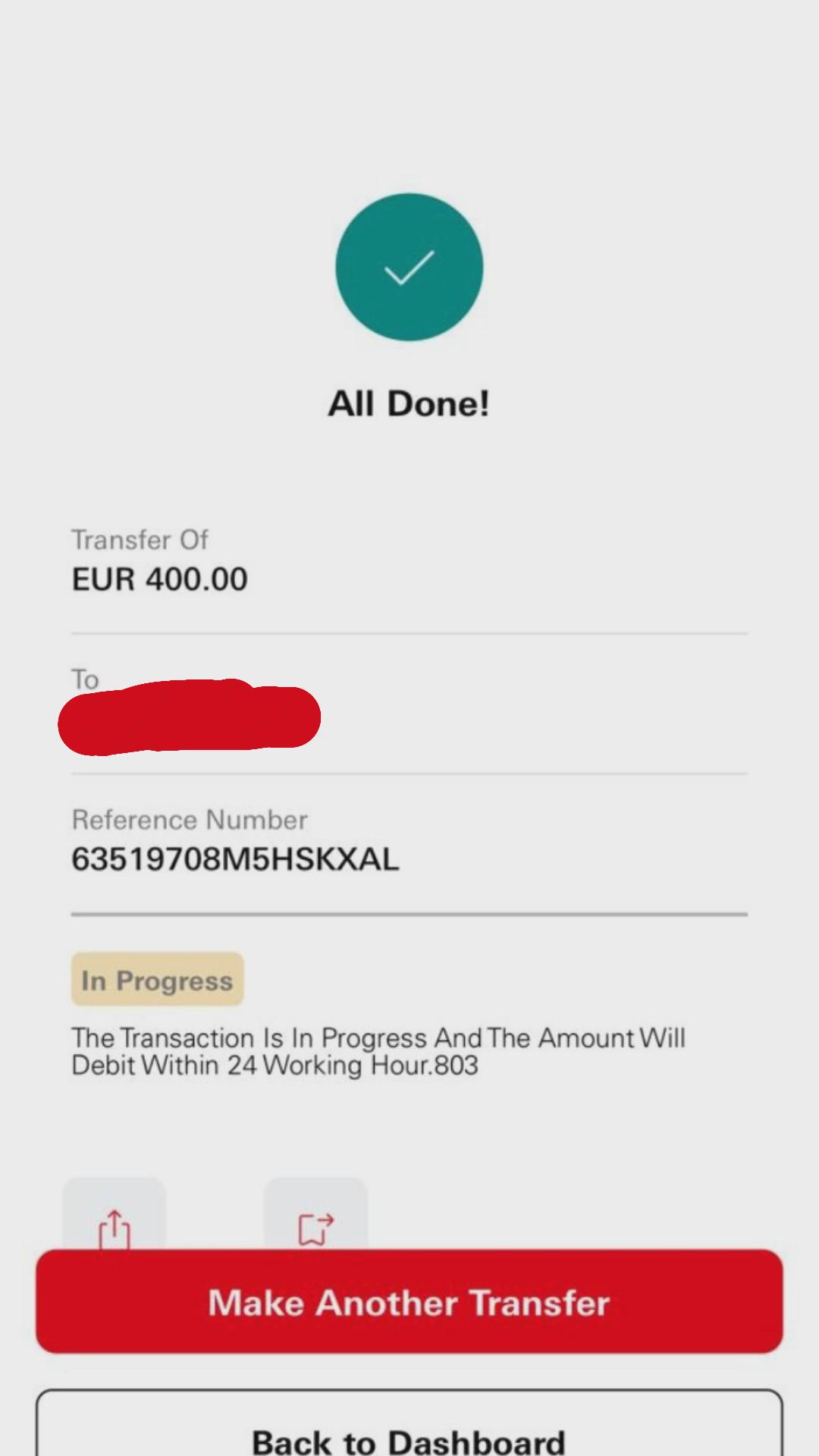
Challenges for businesses
From a business perspective, internal and customer-facing teams are often provided with screenshots as evidence. It might be customers providing ‘proof’ that they’ve paid for a product or service but not received it. This can dramatically increase your corporate outlay for chargebacks. It can also tie up staff tasked with investigating the claim, adding operational costs for the business.
Customer-facing and internal teams are frequently presented with screenshots as evidence. A customer might submit one as “proof” that they paid for an order, received an incorrect account balance or were promised a refund. A fabricated image could be used to seek replacement goods, account credit or reimbursement to which the claimant is not entitled.
Even unsuccessful attempts consume staff time. Support, fraud and payment teams may need to inspect account histories, transaction records and delivery information before determining what actually happened.
In some situations, fake screenshots can have even more serious consequences. An employee could receive a screenshot of an apparent approval from a senior executive and use it to justify an urgent payment or the disclosure of sensitive information. Manipulated conversations may also be submitted in workplace complaints, account-recovery requests or other investigations. If used for new customer onboarding, it could land organizations in highly regulated industries (e.g., financial services) in legal hot water.
The wider problem is that staff may take an irreversible action based on information that has never been confirmed outside the image itself.
What needs to happen next
Technology doesn’t stand still. And neither can you or your business. As digital evidence becomes easier to fake, and used by scammers in growing numbers, individuals and businesses need to take action. Consumers especially need to get savvier about fraud tactics that use fake screenshots. And they need to understand that if they try to use screen grabs as proof, they may not be accepted by the organizations they interact with.
If you’re buying or selling on a marketplace, never trust a screenshot as evidence a product has been shipped or funds have been transferred – or any other claims for that matter. Check the marketplace, payment service or bank account directly, using the official app or website rather than a link supplied by the other party. If you’re involved in a dispute, by all means use a screenshot as backup. But always send definitive evidence such as payment reference numbers or original emails that support your case.
The same principle applies to bookings, refunds and bills. A screenshot may show you what the sender wants you to see, but confirmation should come from the organization that supposedly issued the record. Contact it through an independently obtained phone number, app or website.
For businesses, it may be time to update your verification processes and procedures. Various steps spring to mind, depending on what kind of evidence is required:
- Check screenshots against source system logs to verify when a user’s account performed (or tried to perform) a specific action.
- Demand internal users or external customers send original emails or other messages which can be verified, rather than screen grabs.
- Treat metadata and automated image-analysis tools as investigative clues, not proof that an image is genuine or fake.
- Improve integration with third-party systems (e.g., through APIs) so that the organization can obtain financial and other records from key sources.
- Train customer support and HR teams to understand the above challenges and to never take irreversible action (such as refunding a customer) based only on a screenshot.
- Display your verification policies clearly to customers, in order to minimize time spent dealing with disputes.
None of this means that screenshots are useless. They remain a convenient way to show an error message, document what appeared on a screen or give investigators a place to start.
But they should be treated as supporting material rather than a source of truth. A convincing screenshot may tell you where to look. Confirmation should come from a system or channel that the sender can’t control.
